Your basket is empty

-
Tools & Accessories
-
 Optics & Night Vision
 -
 Lighting Equipment
 -
 Rechargeable Torch
 -
 Headlamp
 -
 Camping Lantern
 -
 Camping Lamp
 Lighting Equipment
 -
-
 Navigation & Watches
 -
 Map Compass
 -
 GPS Watch
 -
 Hiking Watch
Navigation & Watches -
-
 Hiking Accessories
 -
 Hiking Sticks
 -
Hiking Stick for Men
-
 Nordic Walking Poles
 -
 Crampons
 -
 Para Cord
Hiking Accessories -
-
 Energy & Power
 -
 Portable Solar Panels
Energy & Power -
Tools & Accessories -
-
Tactical Gear
-
 Survival Kit
 -
 Tactical Kit
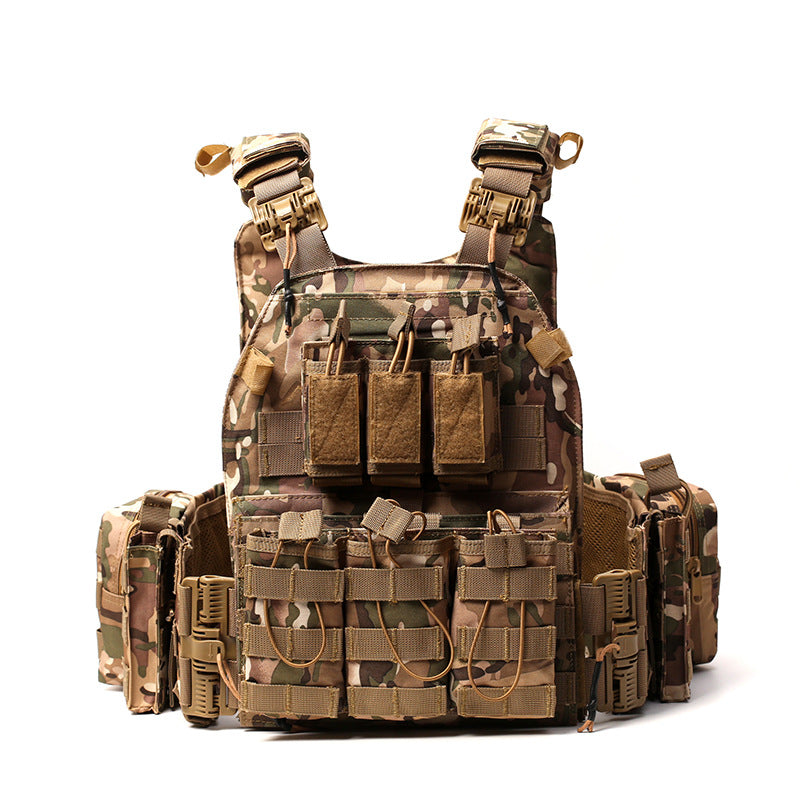
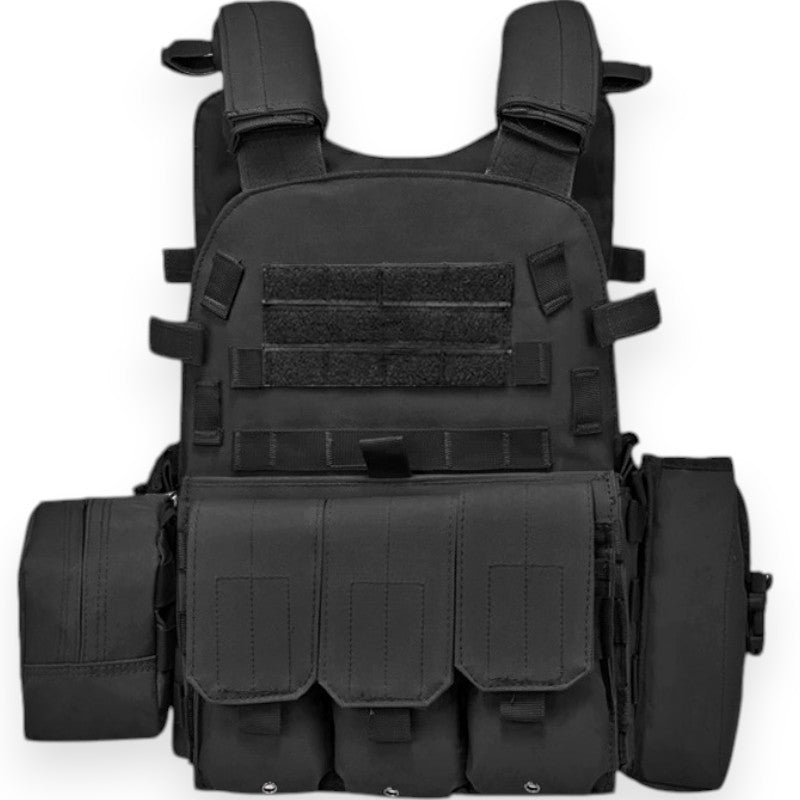
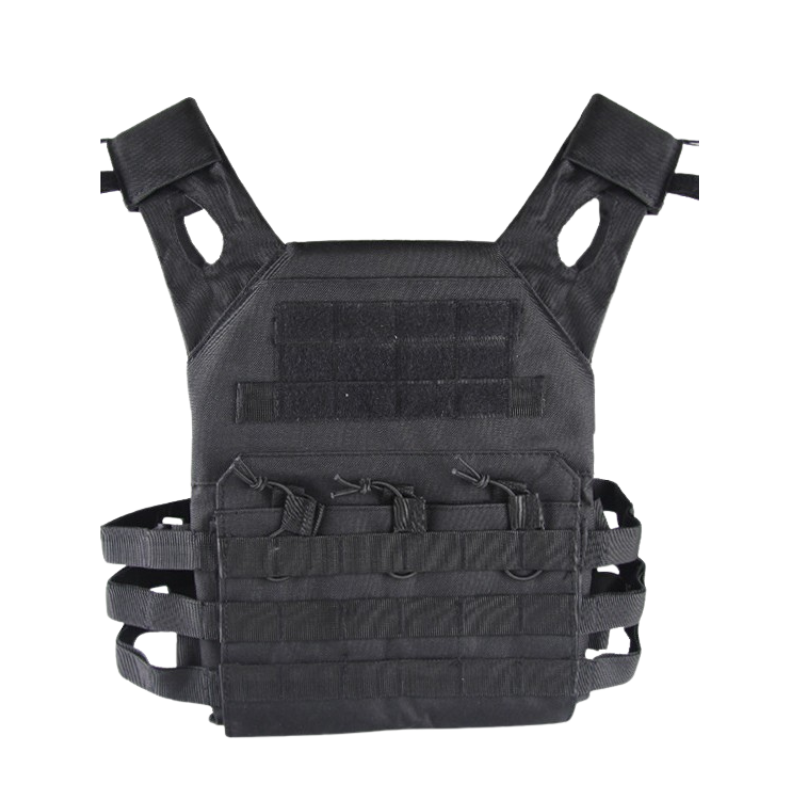
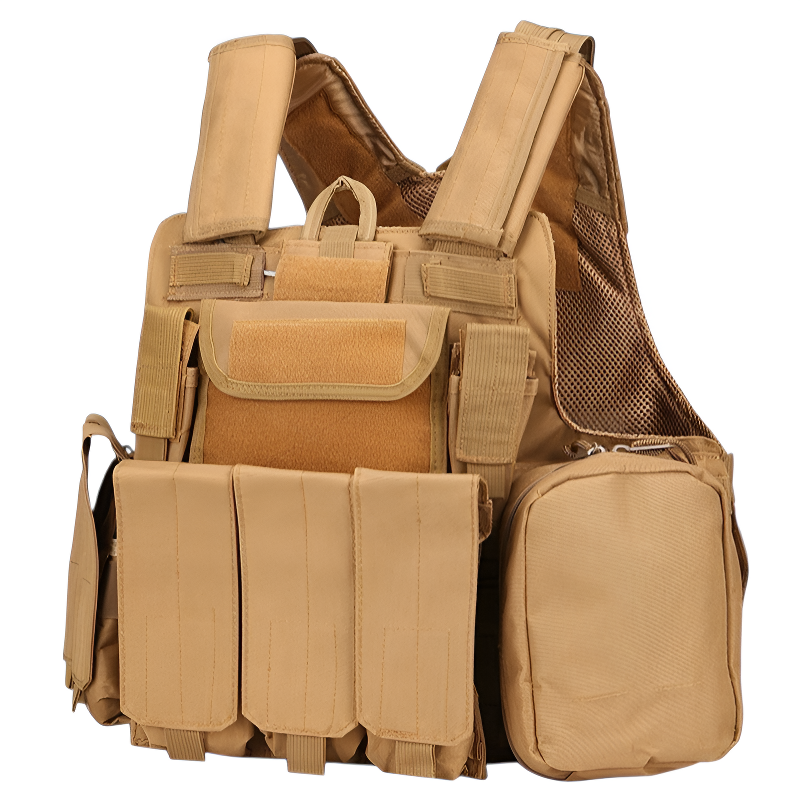
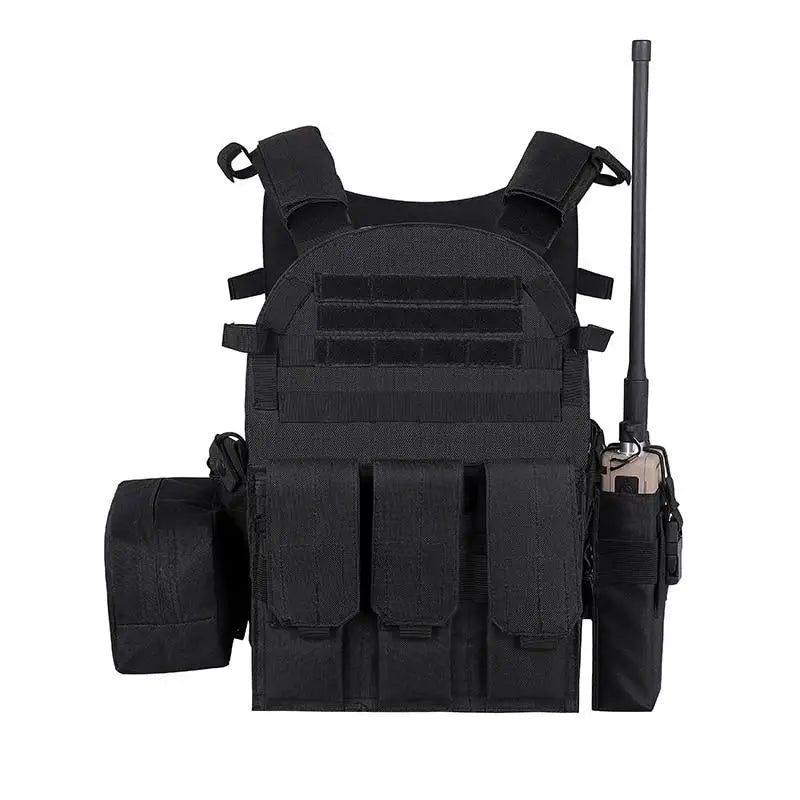
 - Tactical Vest
-
 Tactical Backpack
 -
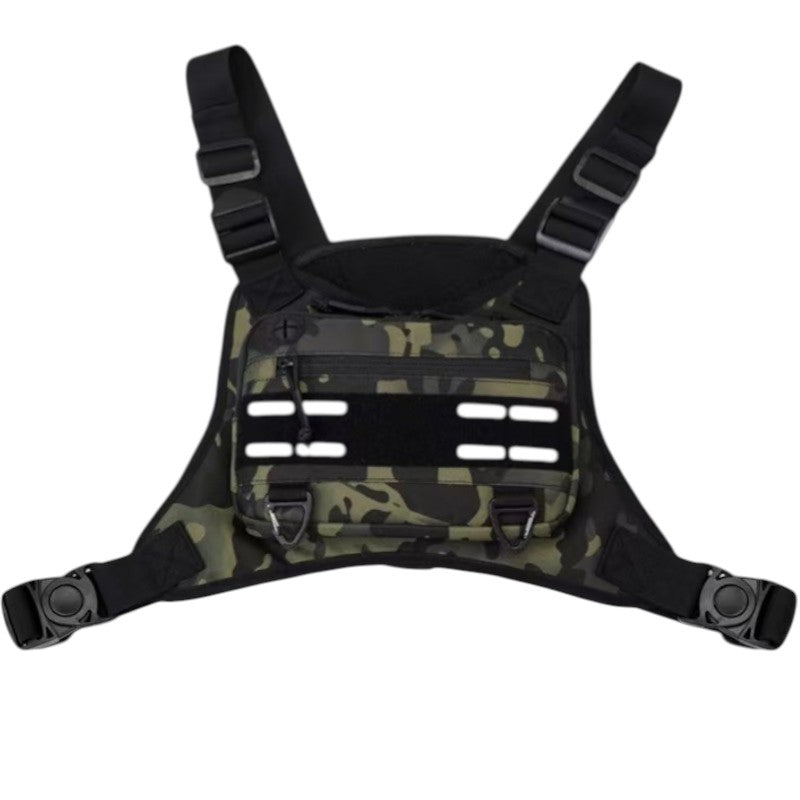
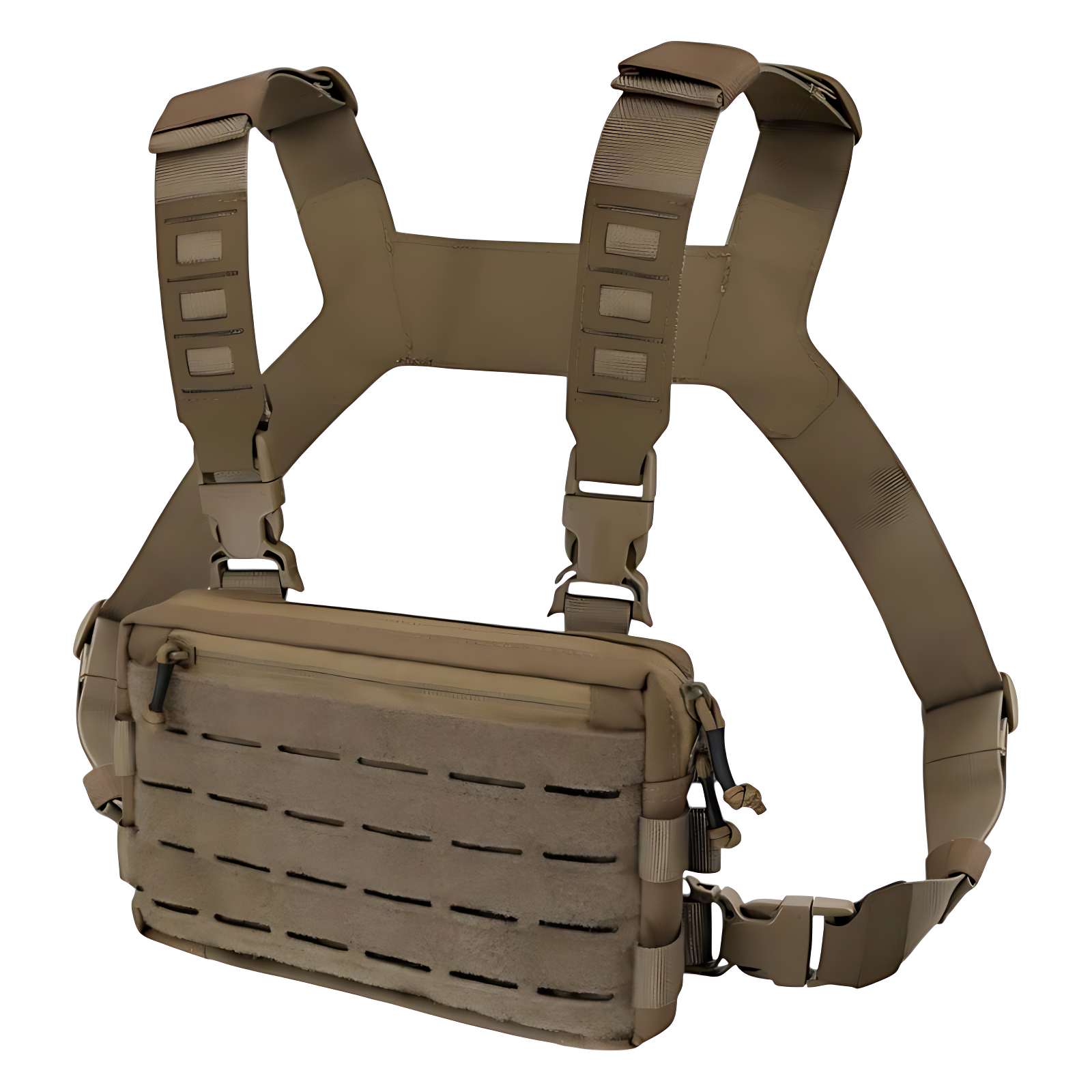
 Chest Rig
Tactical Gear -
-
Outdoor & Hiking Clothing
-
 Waterproof & Rain Gear
 -
 Fleece Jackets & Gilets
 -
 Fleece Jacket
 -
Fleece Jacket Women
-
Mens Fleece Jacket
-
 Fleece Gilet
 -
 Fleece Jumper
 -
Fleece Gilet Womens
-
Mens Fleece Gilet
-
 Fleece Vest
Fleece Jackets & Gilets -
-
 Down & Insulated Jackets
 -
 Down Jacket
 -
 Down Vest
 -
 Heated Jacket
 -
 Heated Gilet
Down & Insulated Jackets -
-
 Technical Jackets
 -
 Softshell Jacket
 -
 Windproof Jacket
 -
 Sun Hoodie
Technical Jackets -
-
 Hiking Jacket
 -
Mens Hiking Jacket
-
Hiking Jacket Woman
Hiking Jacket -
-
 Wool Clothing
 -
 Ladies Jacket Wool
 -
 Norwegian Jumpers
 -
 Merino Wool T Shirt
 -
 Wool Jackets
Wool Clothing -
-
 Hiking Trousers & Shorts
 -
 Hiking Shorts
 -
 Hiking Trousers
 -
 Trekking Trousers for Men
 -
Trekking Trousers
-
 Longjohns
Hiking Trousers & Shorts -
-
Hiking Accessories
-
 Hiking Socks
 -
 Hiking Hat
 -
 Waterproof Socks
 -
 Sun Caps
 -
 Sun Cap
Hiking Accessories -
Outdoor & Hiking Clothing-
 Waterproof Jacket
 -
 Windbreaker
 -
 Waterproof Trousers
 -
 Rain Jacket
 -
Rain Jacket Women
-
 Rain Poncho
 -
 Waterproof Overtrousers
 -
 Waterproof Smock
 -
 Rain Trousers
-
-
Military Clothings
-
 Military Trousers
 -
 Military Shorts
 -
 Military Jackets
 -
 Army Parka
 -
 Female Army Jacket
 -
 Field Jacket
 -
 Military Waterproof Jacket
 -
 Camo Jacket
 -
 Army Jacket
Military Jackets -
-
 Tops
Tops -
 Accessories
Military Clothings -
-
Outdoor & Hiking Boots
-
 Walking & Hiking Boots
 -
 Walking Boots
 -
 Hiking Boots
 -
 Hiking Sandals
Walking & Hiking Boots -
-
 Hiking Shoes
 -
Hiking Shoes For Men
-
Hiking Shoes Women
Hiking Shoes -
-
 Trail running shoes
 -
Trail Running Shoes Men
-
Trail Running Shoes Women
Trail running shoes -
-
 Winter Boots
 -
Winter Boots Women
-
Mens Winter Boots
Winter Boots -
Outdoor & Hiking Boots -
-
Military Boots
-
 Army Desert Boots
 -
 Combat Boots
 -
 Desert Boot
 -
 Tactical Boots
Military Boots -
-
Survival & Outdoor Gear
- Sleeping Equipment
-
 Military Bags & Backpacks
 -
 Tents & Shelters
 -
 Camping Furniture & Cooking
 -
 Camping Chairs
 -
 Camping Table
 -
 Gas Stove
 -
 Solid Fuel Stove
 -
 Camping Pots and Pans
Camping Furniture & Cooking -
-
 Water & Hydration
Survival & Outdoor Gear-
 Quilt
Quilt -
 Self Inflating Mattress
 -
 Down Sleeping Bag
 -
 Sleeping Bag
 -
 Bivy Bag
 -
 Camping Pillow
 -
 Hammock Tent
 -
 Camping Hammock
 -
 Double Hammock
 -
 Camp Bed
 -
 Sleeping Mat
 -
 Camping Mattress
-
 Waterproof Backpack
 -
 Hiking Backpack
 -
 Hikers Day Pack
 -
 Running Hydro Pack
 -
 Drybag
 -
 Backpacking Rucksacks
 -
 Duffle Bag
 -
 Waterproof Bags
 - Military Backpack
-
 Bergen Backpack
 -
 Mens Shoulder Bags
 -
 Sleeping Bag Liner
 -
 Rucksack
 -
 Holdall Bag
 -
 Sling Bag
- Contact US